


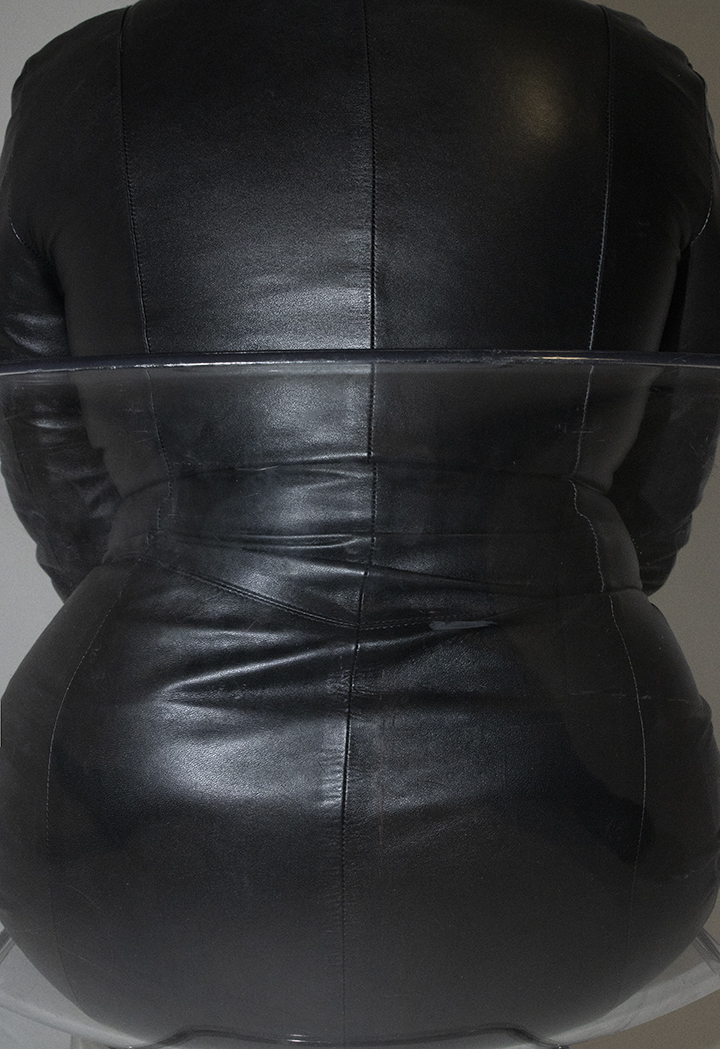
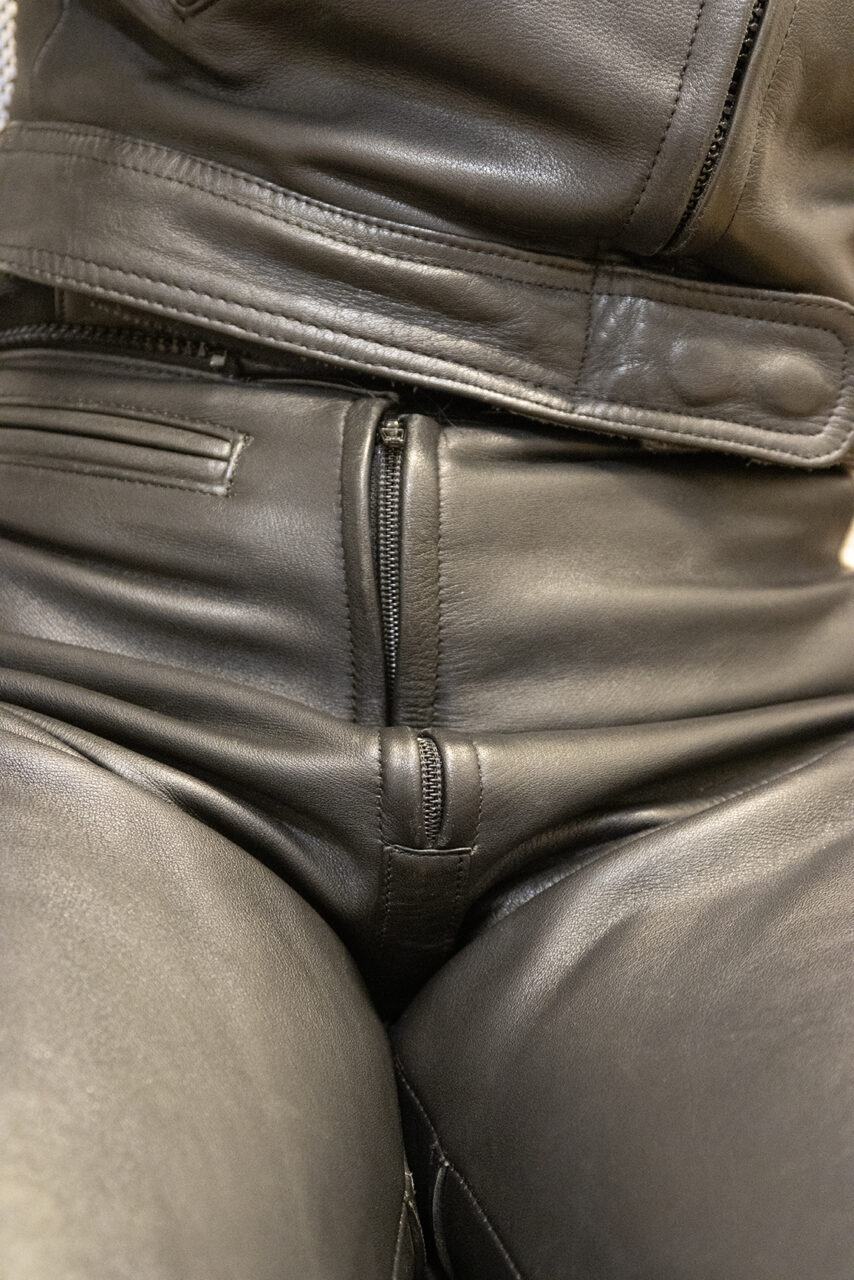
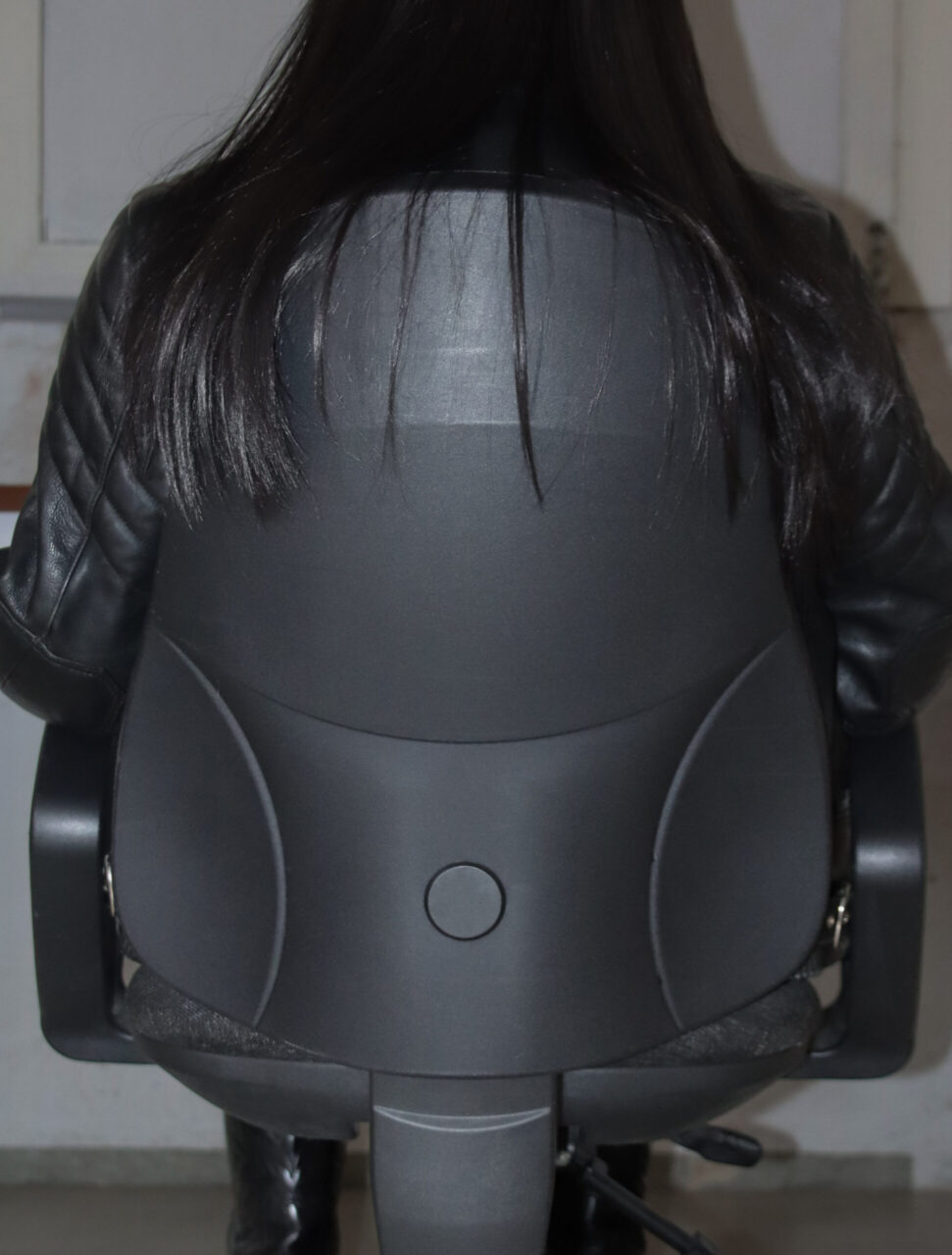
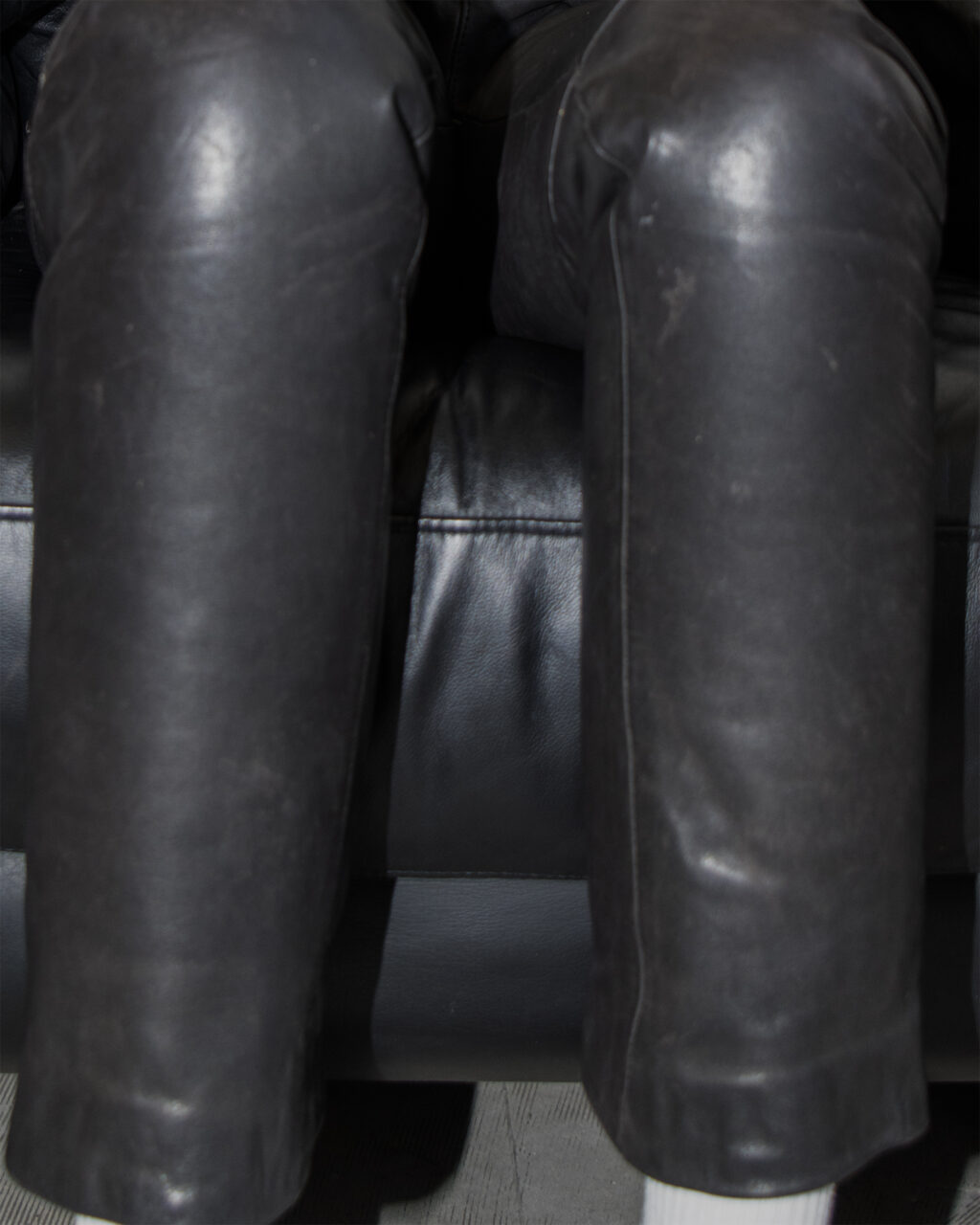
Nagel develops a photographic practice that does not depict the body but examines it. Instead of producing clear-cut images, she creates works in which bodies shift into lines, surfaces, or movements. Perspectives change, visible features recede, and what appears ordinary takes on new forms.
She uses this reduction not as an aesthetic effect but as a method for rethinking bodily presence as something layered and resistant. Her approach remains deliberately intuitive and open to the indeterminate. The result is a visual language that resists conventional classifications and cultivates a heightened attention to moments that lie beyond the obvious.
Could you give us a brief introduction to yourself, your artistic practice, and what you’re currently working on?
My name is Kristina Nagel, artist, my main medium is photography. I find it difficult to talk about myself or my work in fixed terms because it’s always shifting. I prefer to stay close to the image, as they have their own logic. Talking feels like stepping away from that. My process is very intuitive. I follow instincts more than concepts. A core aspect of my work is depersonalization. I often blur or hide identifying features to question the very notion of identity as something stable. Currently, I’m working on a publication, but in general, I prefer not to talk about projects before they’re done.
How would you describe your work process, and maybe especially in relation to visual storytelling and the human body?
My work doesn’t tell stories. It creates space for feeling, presence, and alternative ways of seeing or being seen. I don’t aim to be understood. I want to be felt. The body is both sculptural object and subject.
Your work often blurs or removes faces. How do you think this aesthetic shift impacts notions of vulnerability, anonymity, or representation?
Depersonalization is not absence. It’s potential. When a face disappears, something more essential becomes visible. It’s not about hiding. It’s about refusing to be reduced. There’s freedom in being unreadable. By blurring or hiding faces, I challenge fixed ideas of identity and open up a space for a rawness that is more universal, beyond individual stories. Being unknown invites presence, not labelling.
You’re navigating the blurry intersection of fashion and art. How do you see the role of beauty, depersonalization, and the “convulsive” in your artistic language?
I don’t like faces and I don’t aim to document reality. I unsee and highlight what’s usually overlooked. Beauty isn’t about perfect features: it’s about mood, atmosphere, feeling. It can be complex, not just pleasant. Depersonalization removes distraction and reveals a deeper, sometimes even convulsive energy.
You’ve held roles across the visual production spectrum. How did that shape your visual eye and practice, and how do you navigate between these seemingly separate worlds?
Every role added a layer. I learned to see beyond the surface and to work with precision and speed. But in my artistic work, I try to unlearn all of that and to search for meaning and space instead.
In an age of endless digital images, how do you position your work in this era — what does “post-photography” mean to you?
I’ve always seen my work as post-photography. I was never interested in tradition or the mainstream. It was always about refusing the obvious and using photography as a question, not an answer. My images don’t try to explain. They exist at the edge.
In an age of endless digital images, how do you position your work in this era — what does “post-photography” mean to you?
I’ve always seen my work as post-photography. I was never interested in tradition or the mainstream. It was always about refusing the obvious and using photography as a question, not an answer. My images don’t try to explain. They exist at the edge.
If you could wish for one change in art, what would it be?
The most powerful artistic gesture is to create something that resists easy categorization or explanation. Less pressure to explain. More space to feel or to not understand.
What advice would you give to emerging artists?
I believe all meaningful work begins with a problem. Find a metaphor for your problem and translate it into your medium. The audience resonates deeply when you express the universal through the personal. The metaphor isn’t a direct explanation. It’s a transformation. That’s why chasing trends or copying others often feels empty. People don’t see you. Don’t explain, adapt or compromise. Protect your eye.
What does Berlin Art Week mean to you?
I often feel overwhelmed by the intensity of art weeks. So many events, so many people, all in such a short time. I prefer to visit shows a day or even a week later, when it’s quieter. But Berlin Art Week offers a strong framework for many different artistic voices and what truly shaped this experience for me was the collaboration with curator Anna-Catharina Gebbers. I’m very grateful for her sensitivity and clarity.