


This article first appeared in our limited-edition anniversary publication, 15 YEARS BERLIN ART WEEK.
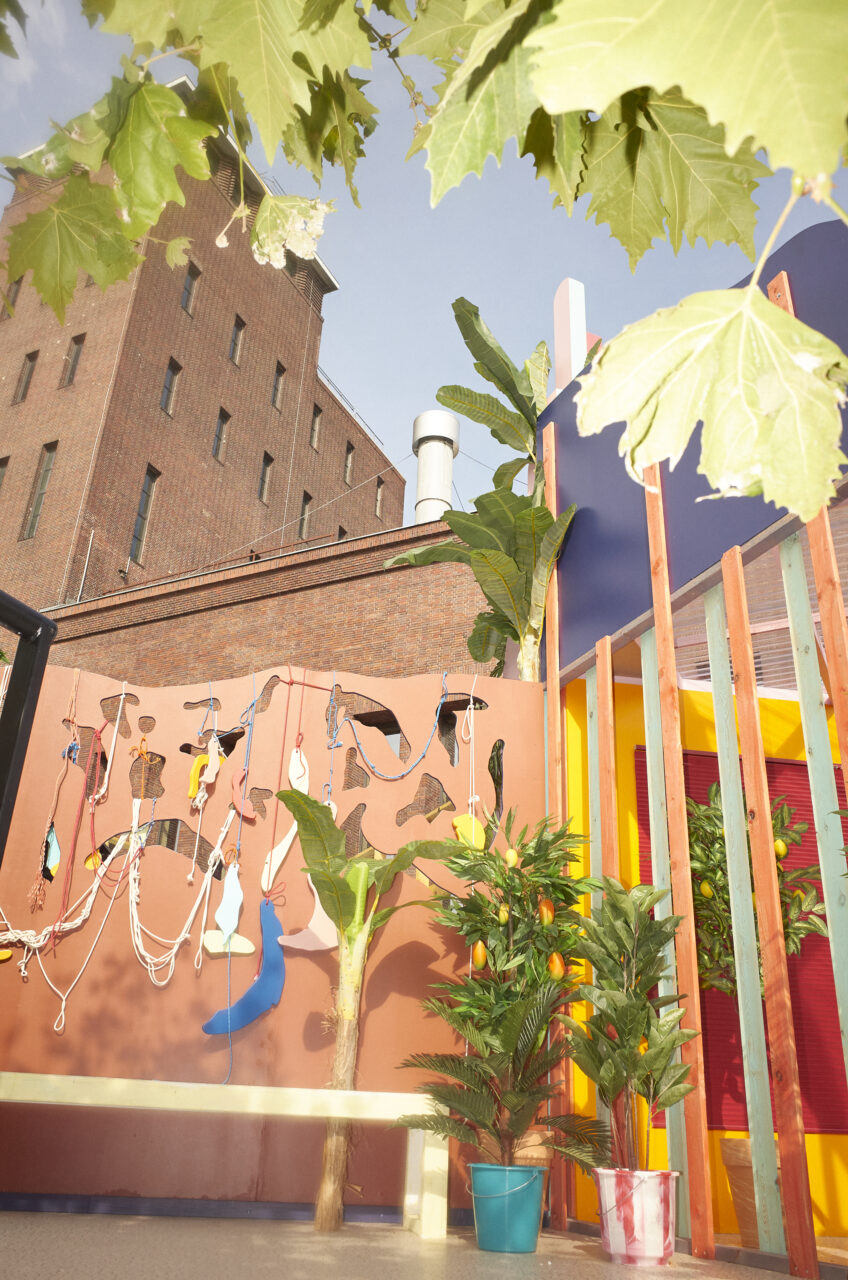
The first Berlin Art Week Garten occupied the forecourt of KINDL—Centre for Contemporary Art in Neukölln. In September 2021, a vibrant, colourful pavilion designed by the artist Sol Calero formed its heart: a multifunctional space that was open, welcoming, and accessible to everyone. Deckchairs for soaking up the late summer sun, a small stage set on a raised platform with a sheltered space beneath it, tables winding organically around the trees, broad steps inviting people to linger, and all manner of hand-painted elements that could be admired from every angle. Each morning began with exercise sessions. At lunchtime, Caique Tizzi served »Pausenbrot«—made with bread from a neighbourhood bakery—so generously sized that it was impossible to finish alone, encouraging visitors to gather and eat it together. The performance collective Gob Squad hosted conversations, DJs from the then nearby SchwuZ club provided the soundtrack, and a lineup of events connected directly with the wider Berlin Art Week programme.
Providing a physical anchor to such a decentralised festival had been under discussion for some time: a free, open-air place where people could gather, with room for a public programme and additional events, especially for those who might not otherwise have many points of contact with contemporary art. After the isolation of the pandemic’s early stages underscored the importance of meeting and conversing in person, the idea became reality the following year.
For Mona Stehle, Artistic Director of Berlin Art Week, this is precisely the role of the Garten: »The Berlin Art Week Garten is a place where people should feel invited to stay awhile, a place where they can come together. The name was chosen very deliberately: a Garten comes before the house, extending into its surroundings. It is a more playful, more experimental kind of place. Here, the focus is on community rather than exclusivity.«
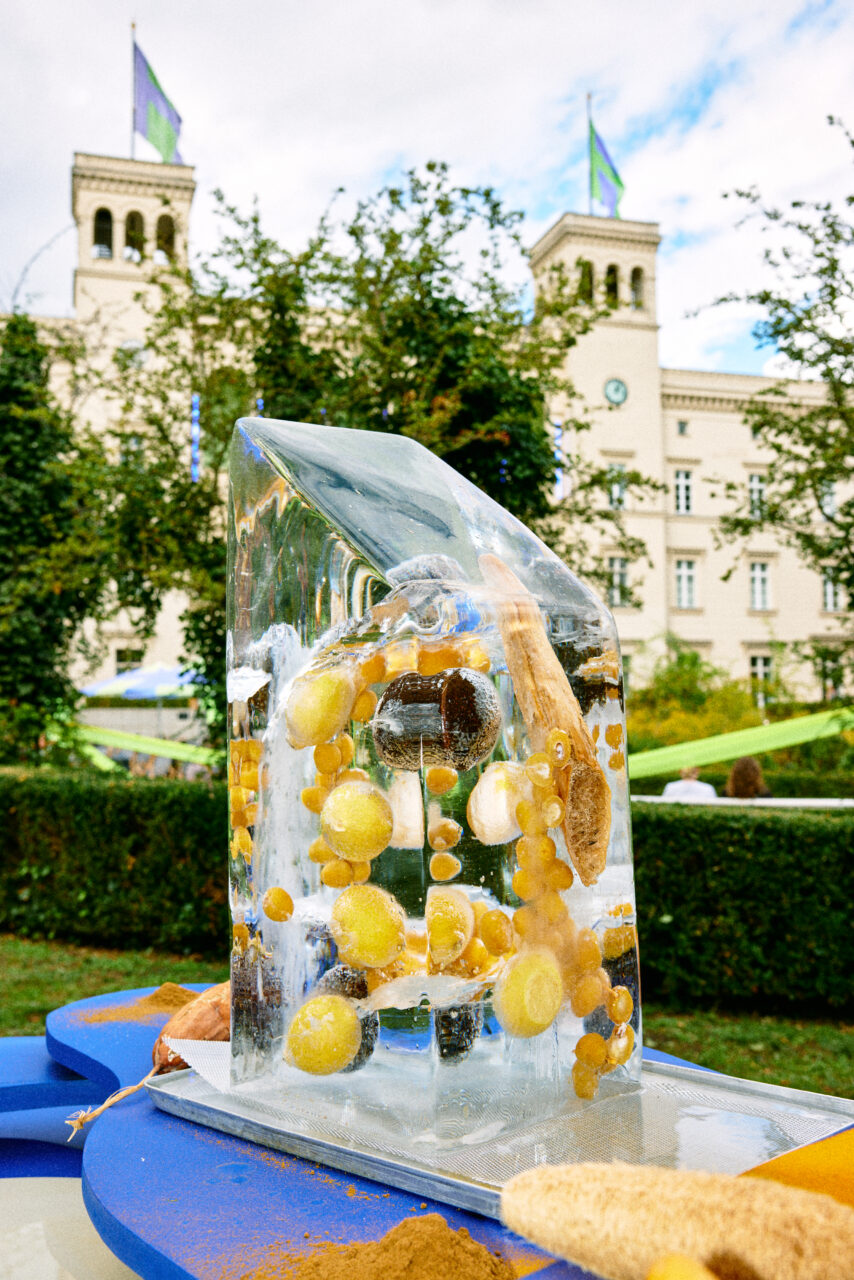
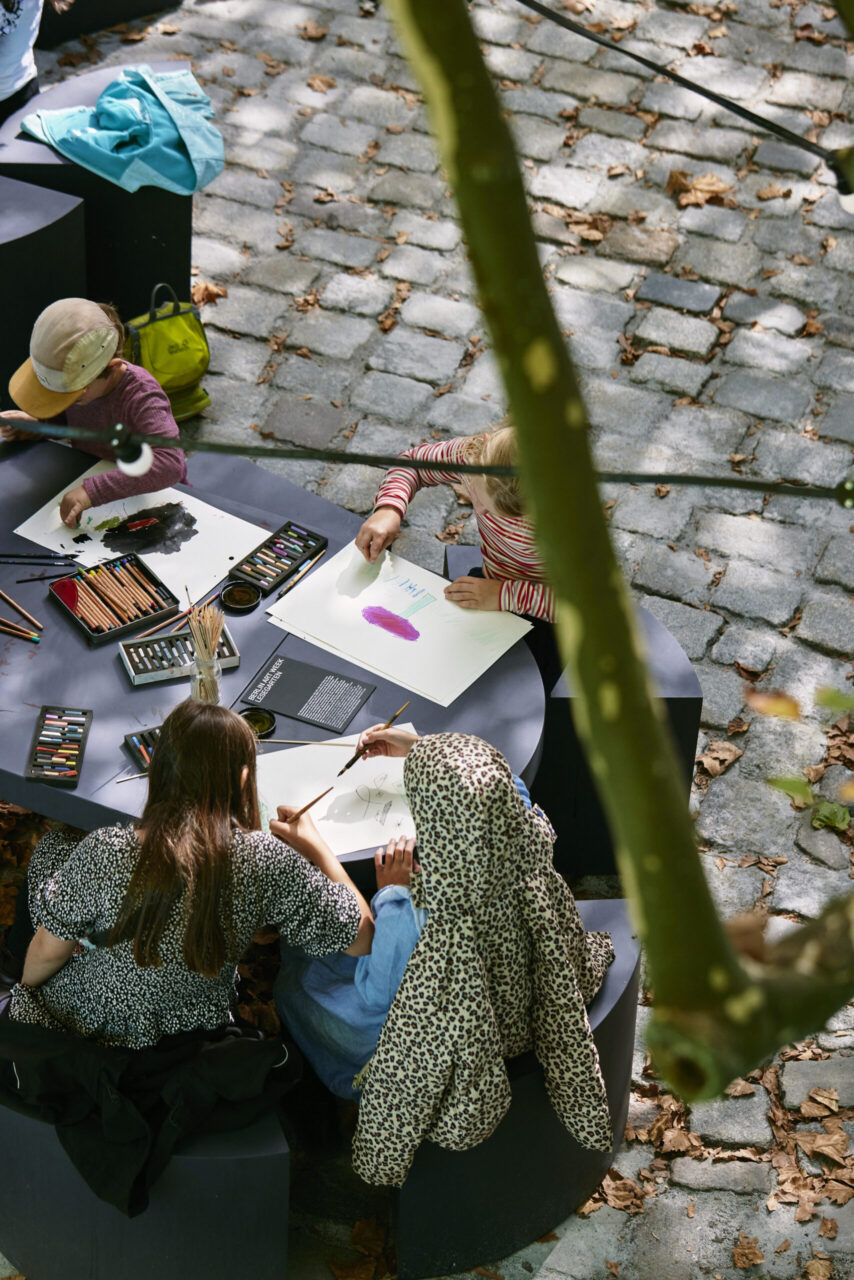
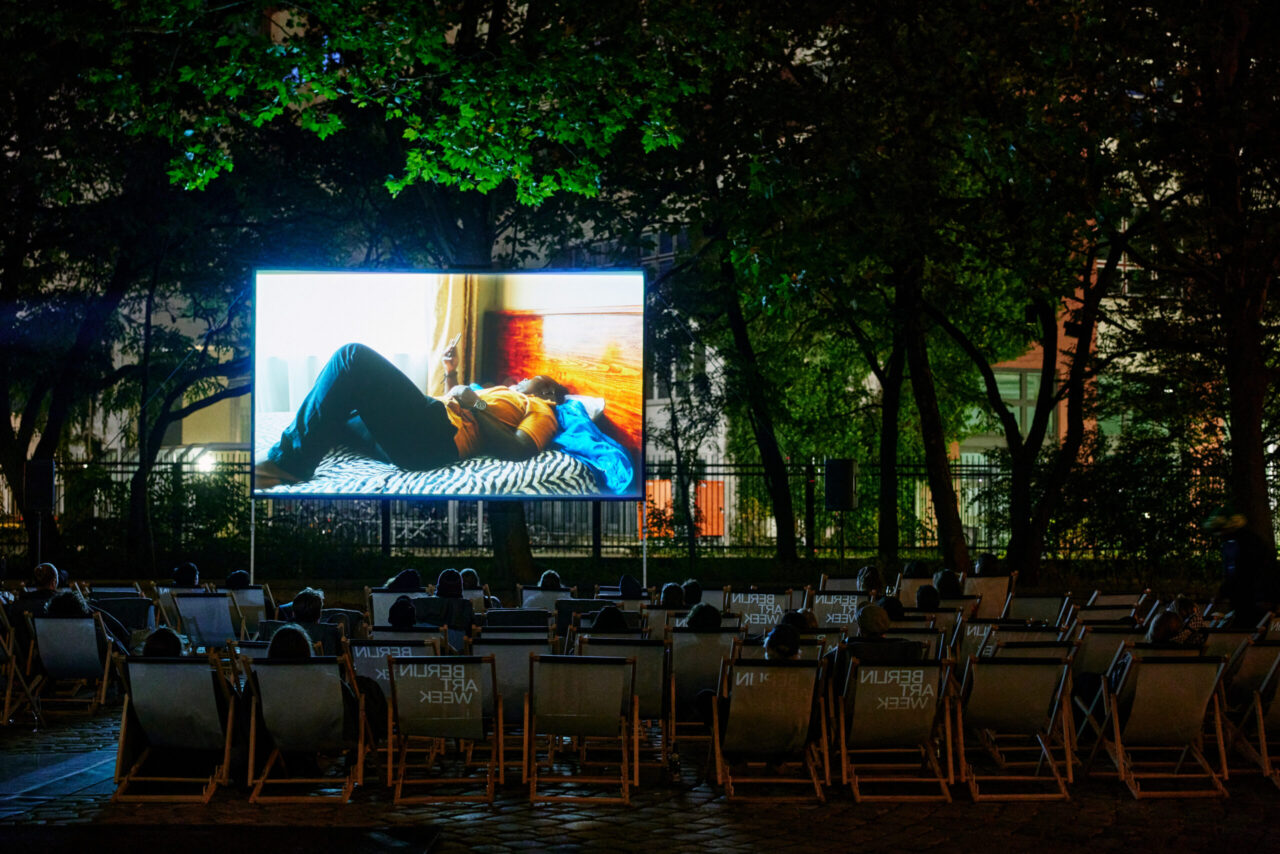
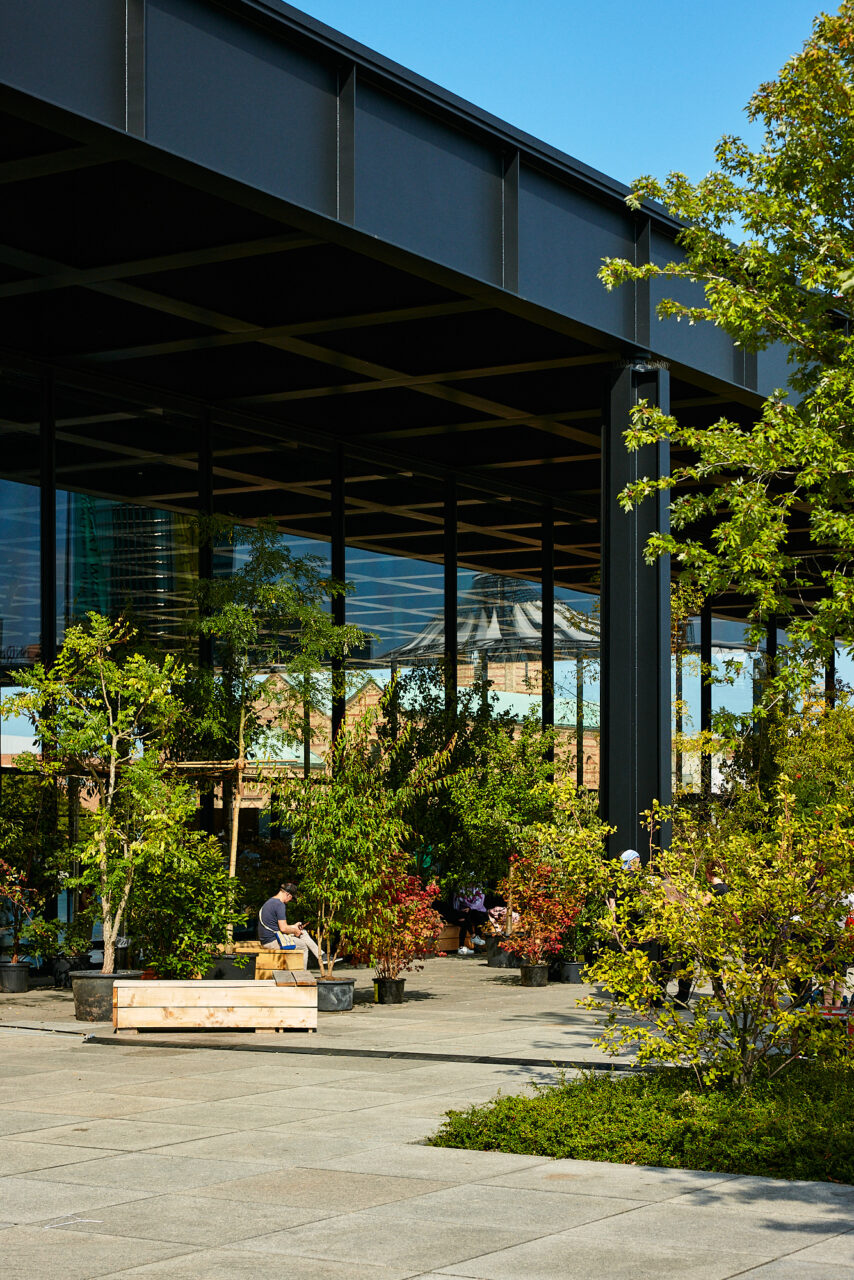
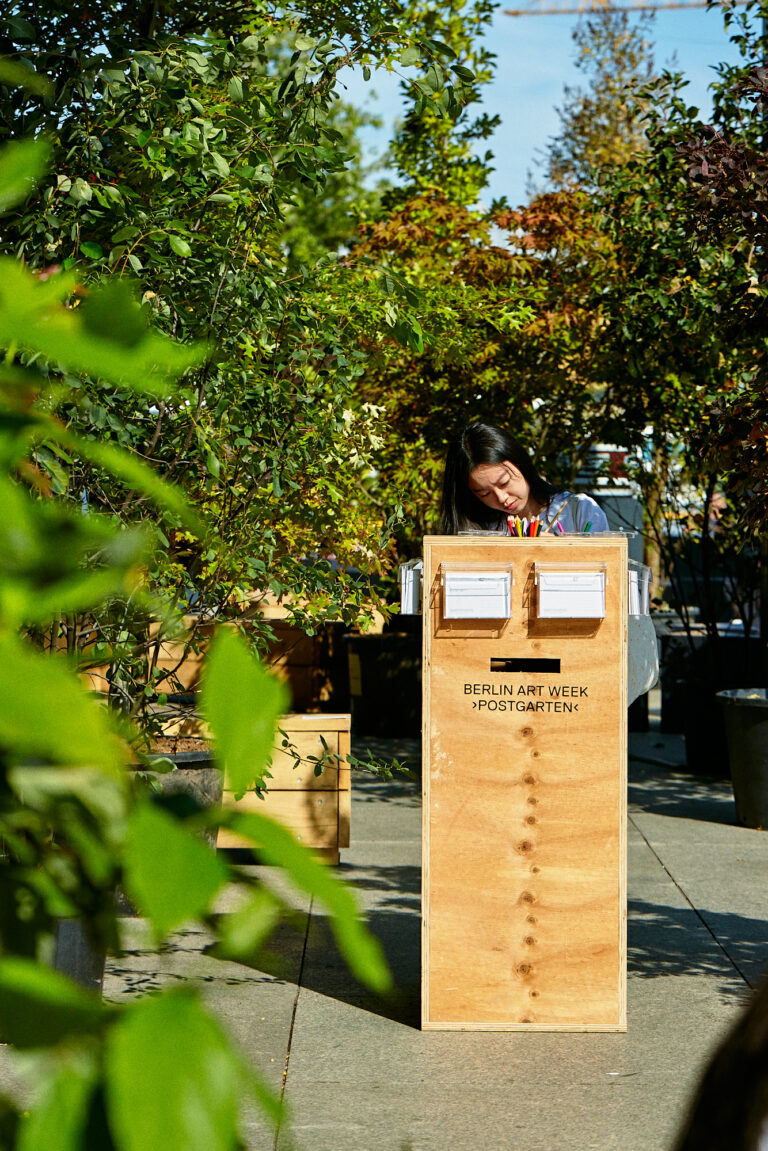
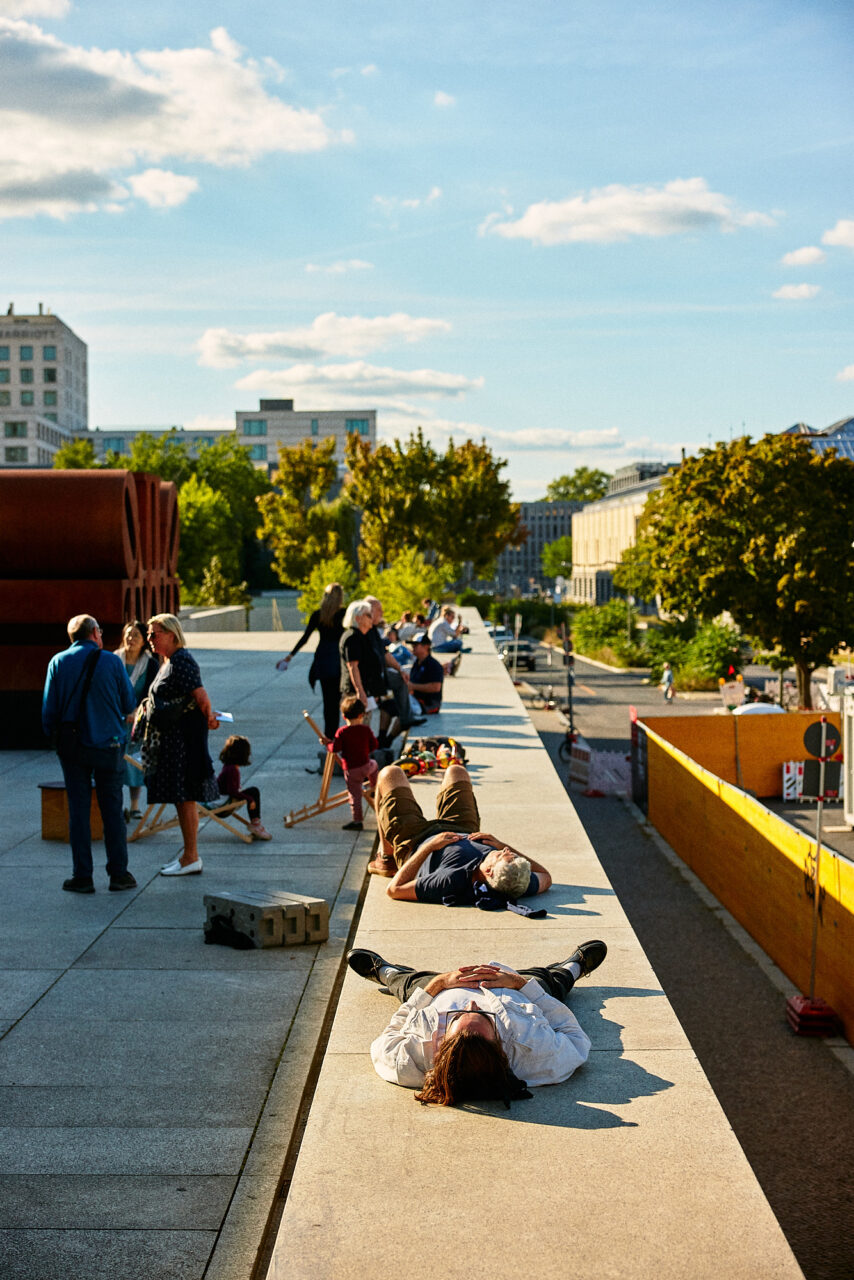
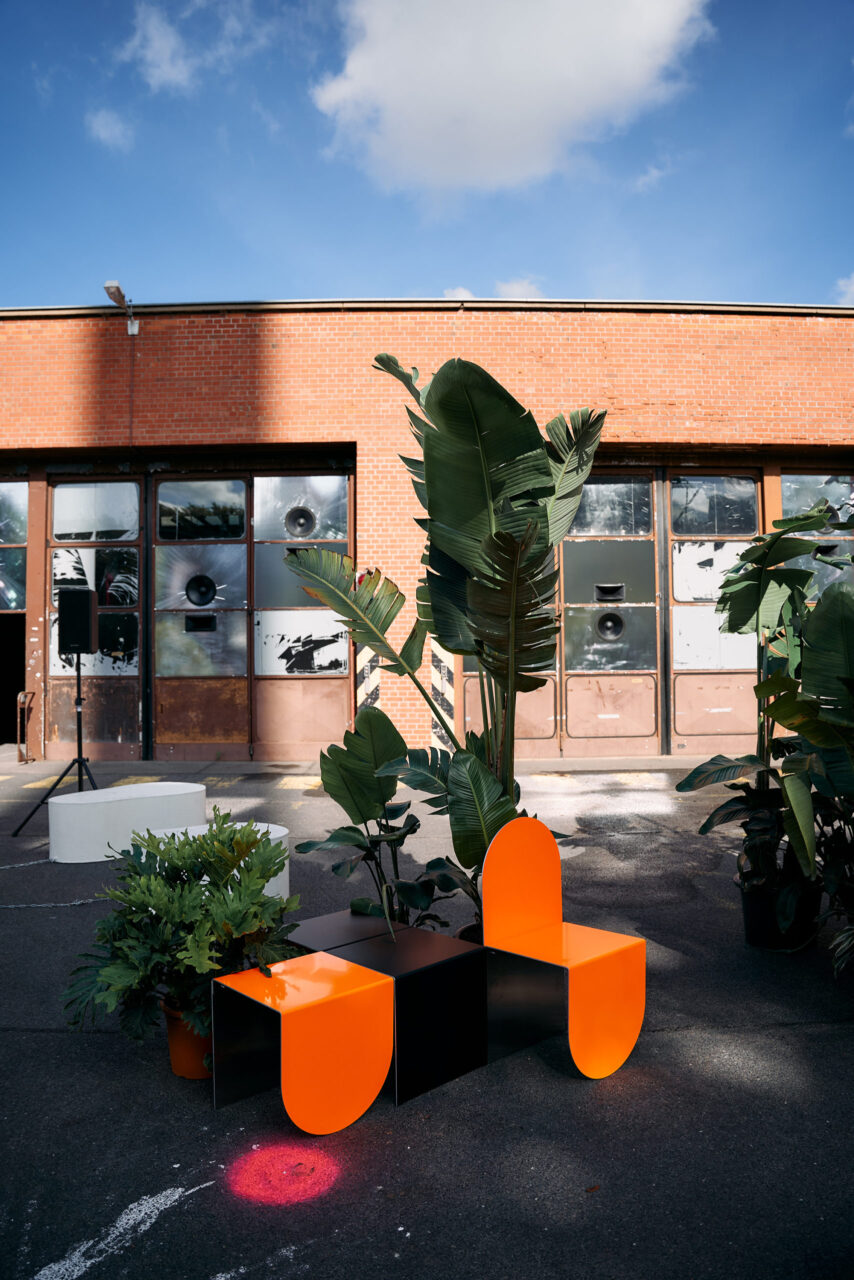
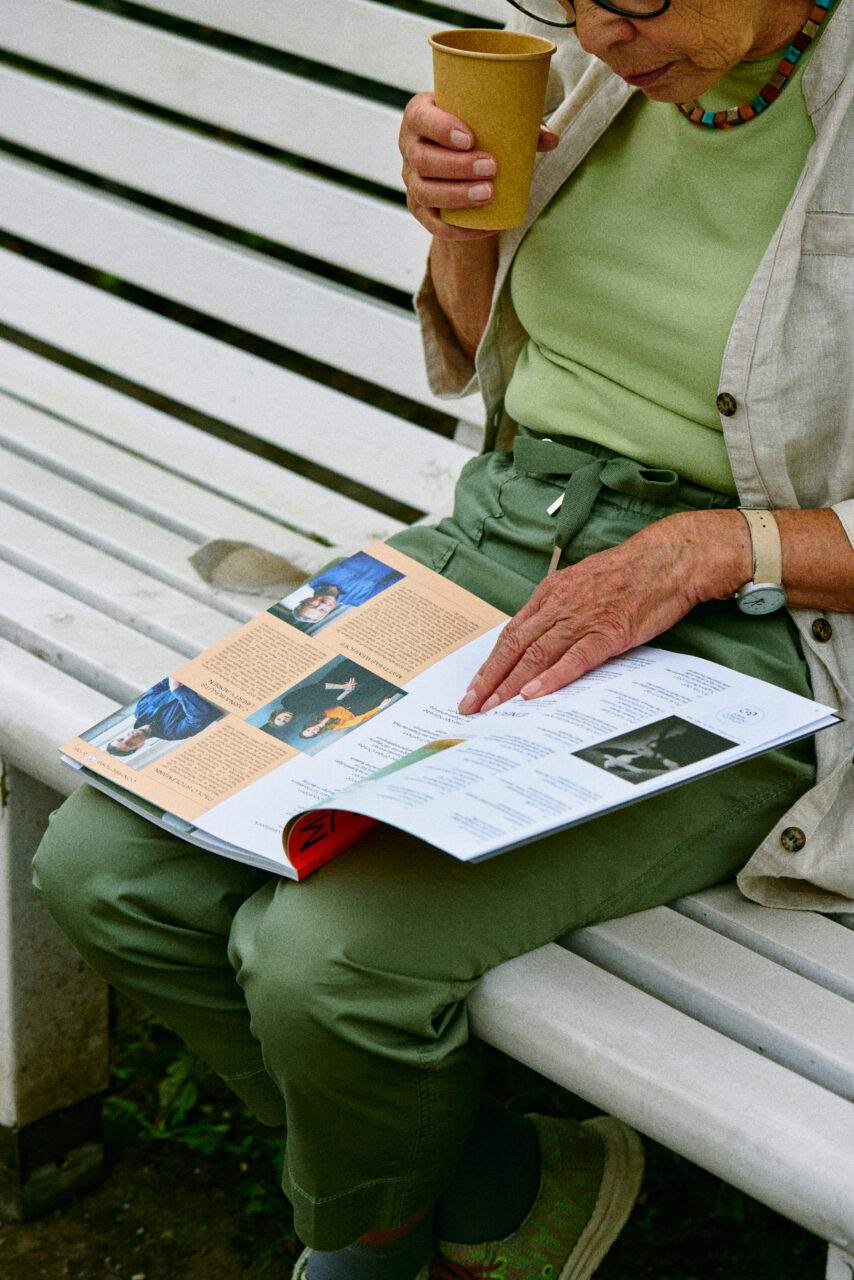
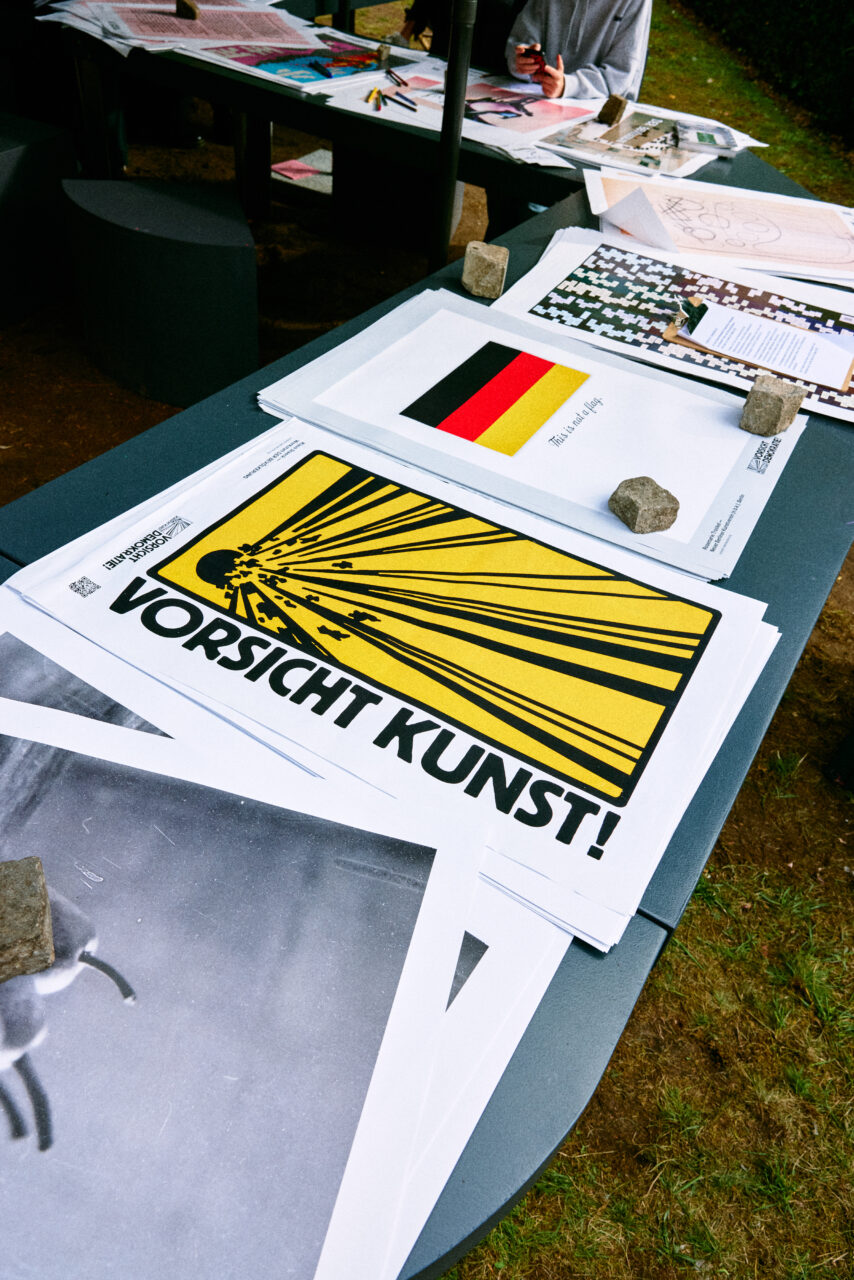
Conceived from the outset as a nomadic format, the Garten moved north in 2022 in cooperation with Neuer Berliner Kunstverein (n.b.k.), taking up residence at Uferhallen, one of Berlin’s most important production sites for the arts. Covering 18,000-square-metres, the complex has long been home to artists’ studios, recording studios, rehearsal spaces, workshops, and an exhibition hall. It was only fitting that this edition focused on the working conditions of Berlin’s creative practitioners. Through performances, talks, and open studios, visitors were able to engage directly with artists, while an open-air cinema and music events presented by Cashmere Radio rounded off the evenings. In 2023, the Garten travelled to the forecourt of Neue Nationalgalerie in collaboration with atelier le balto, accompanied by fifty mature nursery trees. Concerts and a performance festival transformed the site into a lively gathering place. In 2024, the Garten took up residence in the car park beside Gropius Bau, coinciding with Jenny Schlenzka’s arrival as Director. Together with the design practice Something Fantastic, artistic interventions explored new possibilities for reimagining an urban site in a post-car future. In 2025, at Hamburger Bahnhof, the Garten found itself in an actual garden for the first time. An international symposium on the future of museums and workshops organised as part of the ›Vorsicht Demokratie!‹ (›Caution: Democracy!‹) initiative formed the programme’s central themes. In 2026, it welcomes visitors to Kulturforum.
Where the Garten will appear next is only ever announced a few weeks before Berlin Art Week begins. This nomadic nature demands a high degree of spontaneity and adaptability, allowing the format to remain entirely site-specific while retaining maximum flexibility: »Depending on the location, the Berlin Art Week Garten can be many things at once: a neighbourhood laboratory and a platform for the programme partners, an event space, picnic spot, dance floor, forum, stage, library and information point—but always a meeting place, somewhere to come together«, explains Mona Stehle. Plants may not always take root there, but conversations, collaborations and new ideas certainly do.
15 YEARS BERLIN ART WEEK
To mark its 15th anniversary, a limited-edition booklet looks back at the past, present and future of Berlin Art Week. Across 128 pages, the publication brings together essays, interviews and photo features that trace the evolution of the past 15 years while also examining the current state and future prospects of Berlin as a city of art. More than 50 voices from across Berlin’s art scene share their perspectives.